
Two Goats: Christ and Satan
The Day of Atonement: A Day of Judgment • ~6 min read
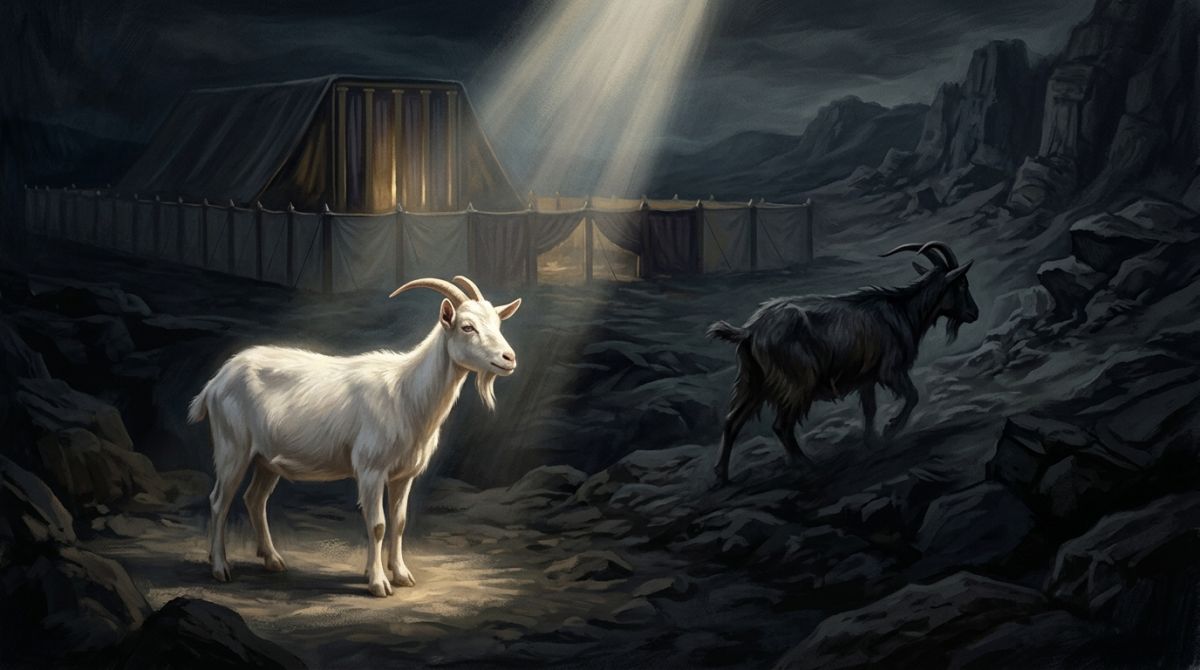
Welcome back to our study of God's dwelling place, the sanctuary! Today, we delve into one of the most solemn and significant aspects of the Day of Atonement – the mysterious ritual of the two goats. This ceremony, outlined in the book of Leviticus, provides a profound insight into how God deals with sin, not only through the atoning sacrifice of His Son but also by ultimately placing responsibility where it belongs. Understanding these two goats helps us grasp the full scope of Christ's work for us and the final disposition of sin itself.
The Two Goats: A Divine Selection
The Day of Atonement, or Yom Kippur, was a day of solemn judgment and cleansing for ancient Israel. Central to its services was the selection of two goats, a ritual with deep symbolic meaning for us today. Let's look at the instruction given to Aaron, the high priest:
And Aaron shall cast lots upon the two goats; one lot for the LORD, and the other lot for the scapegoat. And Aaron shall bring the goat upon which the LORD'S lot fell, and offer him for a sin offering. But the goat, on which the lot fell to be the scapegoat, shall be presented alive before the LORD, to make an atonement with him, and to let him go for a scapegoat into the wilderness.
Leviticus 16:8-10
Here, we see two distinct destinies for these two animals, determined by lot. One goat was chosen "for the LORD," designated for sacrifice. The other was chosen "for the scapegoat," or as some translations render it, "for Azazel," to be sent alive into the wilderness. It's crucial to understand that both goats were presented before the Lord, indicating that both were part of God's divinely appointed plan for dealing with sin on this most solemn day.
The Lord's Goat: Christ Our Substitute
The goat upon which "the LORD'S lot fell" was sacrificed as a sin offering. This was a direct representation of Christ's sacrificial death on our behalf. Just as the blood of this goat was shed to make atonement, so Christ's blood cleanses us from all sin.
Then shall he kill the goat of the sin offering, that is for the people, and bring his blood within the vail, and do with that blood as he did with the blood of the bullock, and sprinkle it upon the mercy seat, and before the mercy seat:
Leviticus 16:15
This goat's death was essential for atonement. Its blood, carried into the Most Holy Place, symbolized the removal of sin through substitutionary sacrifice. The Bible makes it clear that "without shedding of blood is no remission" of sins (Hebrews 9:22). This points directly to Jesus:
All we like sheep have gone astray; we have turned every one to his own way; and the LORD hath laid on him the iniquity of us all.
Isaiah 53:6
Jesus, the "Lamb of God, which taketh away the sin of the world" (John 1:29), became our substitute. He bore our sins in His own body on the cross, making it possible for us to be reconciled to God. The Lord's goat vividly foreshadowed this ultimate sacrifice, where Christ, who knew no sin, "was made sin for us, that we might be made the righteousness of God in him" (2 Corinthians 5:21).
The Scapegoat: Bearing Sin's Ultimate Responsibility
Now let's turn our attention to the second goat, the scapegoat. This goat was not sacrificed; it was presented alive and then sent away. Its role reveals another vital truth about the final disposition of sin.
But the goat, on which the lot fell to be the scapegoat, shall be presented alive before the LORD, to make an atonement with him, and to let him go for a scapegoat into the wilderness.
Leviticus 16:10
After the sanctuary had been cleansed by the blood of the Lord's goat and the high priest had confessed the sins of the people over the live goat, something significant happened:
And Aaron shall lay both his hands upon the head of the live goat, and confess over him all the iniquities of the children of Israel, and all their transgressions in all their sins, putting them upon the head of the goat, and shall send him away by the hand of a fit man into the wilderness: And the goat shall bear upon him all their iniquities unto a land not inhabited: and he shall let go the goat in the wilderness.
Leviticus 16:21-22
Notice that the sins were transferred to the scapegoat, and it bore them away "unto a land not inhabited." This goat did not die for sin; its function was to carry away the confessed sins, symbolizing their final removal from the camp and the ultimate accountability for their origin. The scapegoat represents Satan, the originator and instigator of sin. While Christ bore our sins on the cross to provide atonement and forgiveness, Satan is ultimately responsible for tempting humanity to sin and for the introduction of sin into the universe. In the final judgment, all the sins of God's people, forgiven and cleansed through Christ's blood, will be ultimately laid upon Satan, who will then bear the full weight of responsibility and punishment for all the evil he has caused. The sending of the scapegoat into the wilderness, to a "land not inhabited," foreshadows the ultimate banishment and destruction of Satan and all sin from the universe (Revelation 20:10).
Conclusion: A Complete Picture of Salvation
The two goats of the Day of Atonement provide a complete and profound understanding of how God deals with sin. The first goat, sacrificed "for the LORD," points to Jesus Christ, whose innocent life was given to atone for our sins, offering us forgiveness and cleansing. The second goat, the scapegoat, which bore away the confessed sins into the wilderness, points to Satan, who will ultimately bear the responsibility and punishment for all sin. This dual imagery assures us that not only are our sins forgiven and removed through Christ, but the very source and instigator of sin will also be dealt with decisively, bringing an end to the problem of evil forever.
Reflect and Discuss:
- How does understanding the distinct roles of the two goats deepen your appreciation for Christ's sacrifice and His work of atonement?
- Read Isaiah 53:6 and 1 Peter 2:24. How do these verses highlight Jesus' role as the "Lord's goat" and His willingness to bear our sins?
- The scapegoat carries away the sins to a "land not inhabited." What does this symbolize about the final disposition of sin and its originator?
- How does the Day of Atonement ritual, with its two goats, assure you that God has a complete plan for eradicating sin and its effects from the universe?