
Called to Serve
The Priestly Ministry: Mediators for Humanity • ~5 min read
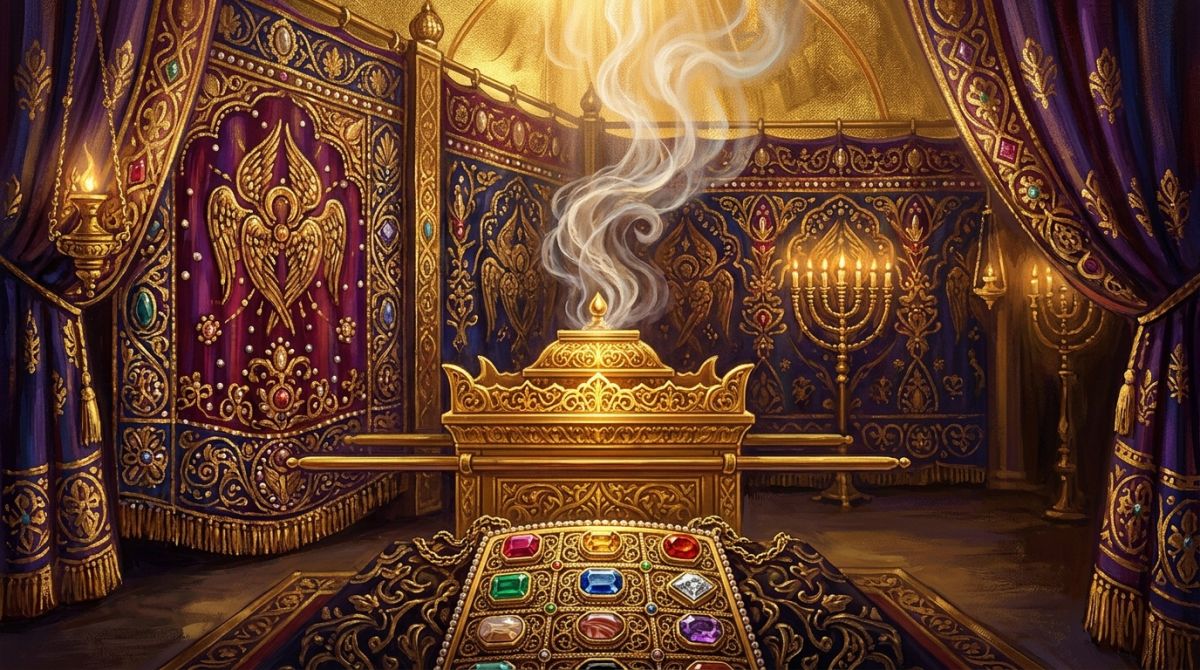
Dear friends, welcome to another enriching study in our series on God's Dwelling Place. Last time, we explored the sacred structure of the sanctuary itself, a place where God promised to meet with His people. But how would sinful humanity approach a holy God? This week, we turn our attention to the divinely appointed individuals who bridged that gap: the priests. Their ministry was vital, serving as mediators between God and humanity, representing the people before God. Understanding their calling helps us appreciate God's intricate plan for reconciliation and His desire to dwell among us.
God's Special Calling: Separated for Service
The role of a priest was not one that could be assumed by just anyone. It was a sacred calling, initiated by God Himself. From the very beginning of the sanctuary service, God chose specific individuals to perform these holy duties.
And take thou unto thee Aaron thy brother, and his sons with him, from among the children of Israel, that he may minister unto me in the priest's office, even Aaron, Nadab and Abihu, Eleazar and Ithamar, Aaron's sons.
Exodus 28:1
Notice the phrase, "take thou unto thee Aaron... from among the children of Israel." This highlights that the priesthood was a divine appointment, a separation from the general populace for a specific, holy purpose. No one could simply decide to become a priest; it required God's direct selection and authorization. This truth is echoed in the New Testament, reminding us of the sanctity of such a calling:
And no man taketh this honour unto himself, but he that is called of God, as was Aaron.
Hebrews 5:4
This divine calling emphasized the seriousness and sacredness of the priest's role. They were not merely functionaries, but God's chosen representatives, set apart to minister "in things pertaining to God."
Mediators for Humanity: Representing the People
The primary function of the priest was to act as a mediator. They stood between a holy God and sinful humanity, bringing the needs, confessions, and offerings of the people before the Lord. Their ministry was fundamentally about representation.
For every high priest taken from among men is ordained for men in things pertaining to God, that he may offer both gifts and sacrifices for sins:
Hebrews 5:1
The priests bore the responsibility of the people. This was beautifully symbolized in their garments. The high priest, for instance, wore an ephod with two onyx stones on its shoulders, engraved with the names of the twelve tribes of Israel. He also wore a breastplate containing twelve precious stones, each representing a tribe.
And Aaron shall bear the names of the children of Israel in the breastplate of judgment upon his heart, when he goeth in unto the holy place, for a memorial before the LORD continually.
Exodus 28:29
This imagery powerfully illustrates that when the priest entered the sanctuary, he carried the entire nation with him – their identities, their burdens, and their sins. He stood before God as their representative, interceding on their behalf and presenting their sacrifices.
Sanctified for Sacred Service
Because the priests dealt with holy things and stood in God's presence, they themselves had to be sanctified and made holy. An elaborate ceremony was ordained for their consecration, involving washing, anointing with oil, and specific sacrifices.
And thou shalt anoint Aaron and his sons, and consecrate them, that they may minister unto me in the priest's office.
Exodus 30:30
The Lord explicitly stated the purpose of this consecration:
And I will sanctify the tabernacle of the congregation, and the altar: I will sanctify also both Aaron and his sons, to minister to me in the priest's office.
Exodus 29:44
This process set them apart, making them fit for their sacred duties. They were to maintain a high standard of personal holiness, recognizing the awesome privilege and responsibility entrusted to them.
A Perpetual Statute, Pointing Forward
The priesthood, with its specific lineage and rituals, was established as a "perpetual statute" for Israel.
And thou shalt put upon them the coats, and anoint them, and consecrate them, and sanctify them; that they may minister unto me in the priest's office: and their anointing shall surely be an everlasting priesthood throughout their generations.
Exodus 40:15
While the earthly priesthood played a crucial role in God's plan for Israel, it also served as a profound symbol, pointing forward to a greater, more perfect priesthood. The limitations of human priests – their mortality, their own sinfulness, and the need for repeated sacrifices – highlighted the need for an ultimate High Priest who could truly mediate for humanity perfectly and forever. This perfect High Priest is Jesus Christ, whose priesthood is eternal:
But this man, because he continueth ever, hath an unchangeable priesthood. Wherefore he is able also to save them to the uttermost that come unto God by him, seeing he ever liveth to make intercession for them.
Hebrews 7:24-25
The earthly priests were a gracious provision from God, teaching His people about access to Him and the necessity of mediation for sin. Their ministry laid the groundwork for understanding the full, complete, and eternal ministry of our Lord Jesus Christ.
Conclusion
The calling of the priests was a testament to God's love and His desire to provide a way for sinful humanity to approach Him. Divinely chosen and consecrated, they served as crucial mediators, representing the people before God and performing the sacred rites of the sanctuary. Their service, though limited, vividly illustrated the principles of divine appointment, substitution, and God's provision for sin. It was a beautiful foreshadowing of the perfect High Priest to come, Jesus Christ, who perfectly fulfills every aspect of the priestly ministry.
Reflection Questions
- How does the divine selection of Aaron and his sons (Exodus 28:1) emphasize the sacredness of the priestly role? What does this tell us about service to God?
- Read Hebrews 5:1 again. In what ways did the earthly priests "represent men in things pertaining to God"? Why was this representation so important for the Israelites?
- The high priest carried the names of the tribes on his shoulders and breastplate (Exodus 28:12, 29). What comfort or assurance might this have given to the ordinary Israelite?
- Considering the need for priests to be sanctified (Exodus 29:44), what does this teach us about the character required for those who wish to serve God in any capacity today?
- How does understanding the role of the earthly priests help you better appreciate the ministry of Jesus Christ as our ultimate High Priest (Hebrews 7:24-25)?