
Living a Holy Life
Living in Light of the Sanctuary • ~6 min read
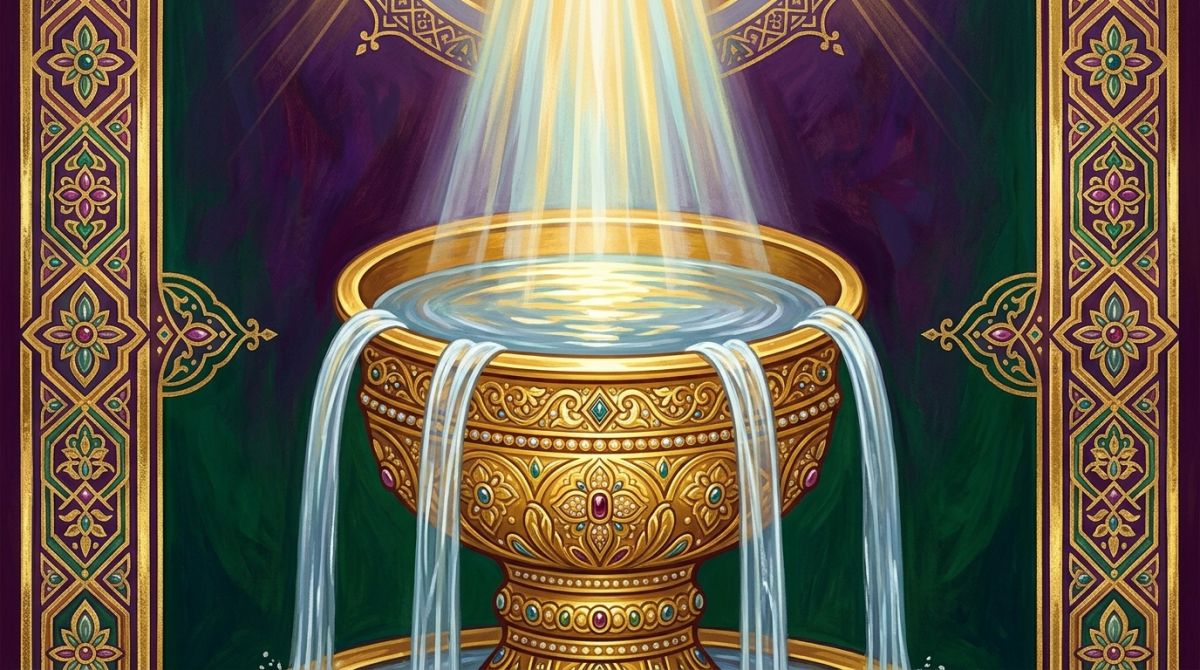
Welcome back to our study of God's Dwelling Place! We've journeyed through the intricate details of the earthly sanctuary, understanding its types and shadows, and we've explored the profound meaning of the heavenly sanctuary and the work of our High Priest. As we consider the ultimate cleansing of the sanctuary, we are called to reflect on what this means for our personal lives. The message of the sanctuary isn't just about what God does for us, but also about the transformation He desires to work within us. Today, we'll explore how understanding the sanctuary inspires us to live purified, holy lives, reflecting God's character to the world.
God's Call to Holiness
From the very beginning, God's people were called to be distinct, set apart for Him. This call to separation is what we understand as holiness. It's not about being perfect in our own strength, but about being dedicated to God and allowing His perfect character to be reflected in us. The Apostle Peter powerfully reminds us of this divine expectation:
“But as he which hath called you is holy, so be ye holy in all manner of conversation; Because it is written, Be ye holy; for I am holy.”
1 Peter 1:15-16
This echoes the Old Testament mandate given to Israel, emphasizing that their conduct should mirror God's character:
“For I am the LORD your God: ye shall therefore sanctify yourselves, and ye shall be holy; for I am holy: neither shall ye defile yourselves with any manner of creeping thing that creepeth upon the earth. For I am the LORD that bringeth you up out of the land of Egypt, to be your God: ye shall therefore be holy, for I am holy.”
Leviticus 11:44-45
God's holiness is His inherent purity and moral perfection. When He calls us to be holy, He is calling us to participate in His character, to be free from the defilement of sin, and to live lives that honor Him. This is not a suggestion but a divine command, rooted in who God is.
The Cleansing and Transformation of the Heart
The cleansing of the sanctuary, particularly on the Day of Atonement, symbolized the removal of sin. But this external act has a profound internal counterpart in our lives. When we accept God's atoning sacrifice, He doesn't just forgive our past sins; He transforms us into new beings. This is the incredible promise of the gospel:
“Therefore if any man be in Christ, he is a new creature: old things are passed away; behold, all things are become new.”
2 Corinthians 5:17
To be "in Christ" means to have our lives intertwined with His, allowing His Spirit to work within us. This transformation is not merely a change of habits, but a radical renewal of our very nature. God promises to give us a new heart and a new spirit:
“A new heart also will I give you, and a new spirit will I put within you: and I will take away the stony heart out of your flesh, and I will give you an heart of flesh. And I will put my spirit within you, and cause you to walk in my statutes, and ye shall keep my judgments, and do them.”
Ezekiel 36:26-27
This is a divine work, enabling us to put off the old self and put on the new, reflecting the righteousness of Christ:
“That ye put off concerning the former conversation the old man, which is corrupt according to the deceitful lusts; And be renewed in the spirit of your mind; And that ye put on the new man, which after God is created in righteousness and true holiness.”
Ephesians 4:22-24
This means our desires, our thoughts, and our actions begin to align with God's will, not out of burdensome obligation, but out of love and a transformed nature.
Practical Aspects of Holy Living
So, what does this new creation and call to holiness look like in our daily lives? It's a continuous process of surrender and dedication. Paul urges us to present our entire lives as an offering to God:
“I beseech you therefore, brethren, by the mercies of God, that ye present your bodies a living sacrifice, holy, acceptable unto God, which is your reasonable service. And be not conformed to this world: but be ye transformed by the renewing of your mind, that ye may prove what is that good, and acceptable, and perfect, will of God.”
Romans 12:1-2
Holy living involves a conscious effort to align our thoughts, words, and actions with God's character. It means actively choosing what is pure and true:
“Finally, brethren, whatsoever things are true, whatsoever things are honest, whatsoever things are just, whatsoever things are pure, whatsoever things are lovely, whatsoever things are of good report; if there be any virtue, and if there be any praise, think on these things.”
Philippians 4:8
This transformation is not a solitary effort. It is made possible by the indwelling Holy Spirit, who empowers us to overcome sin and walk in righteousness. We are called to "walk in the Spirit," allowing Him to guide our steps and produce His fruit in our lives:
“This I say then, Walk in the Spirit, and ye shall not fulfil the lust of the flesh.”
Galatians 5:16
Just as the branches draw life from the vine, we draw spiritual strength and the ability to live holy lives by abiding in Christ:
“Abide in me, and I in you. As the branch cannot bear fruit of itself, except it abide in the vine; no more can ye, except ye abide in me. I am the vine, ye are the branches: He that abideth in me, and I in him, the same bringeth forth much fruit: for without me ye can do nothing.”
John 15:4-5
Our pursuit of holiness is a lifelong journey, a reflection of our growing relationship with our High Priest who cleanses us and enables us to reflect His image. It is a constant striving toward the perfection of character that God desires for us:
“Follow peace with all men, and holiness, without which no man shall see the Lord.”
Hebrews 12:14
“Be ye therefore perfect, even as your Father which is in heaven is perfect.”
Matthew 5:48
Reflection Questions
- Considering 1 Peter 1:15-16, what areas of your "conversation" (conduct or way of life) do you feel God is calling you to surrender more fully to Him for purification?
- How does the concept of being a "new creature" in 2 Corinthians 5:17 impact your understanding of your identity and potential in Christ?
- Read Ezekiel 36:26-27 again. What does it mean to you personally to have a "stony heart" replaced with a "heart of flesh"? How have you experienced this?
- In what practical ways can you "present your body a living sacrifice, holy, acceptable unto God" (Romans 12:1) in your daily life?
- Philippians 4:8 gives us a guide for our thoughts. What steps can you take this week to intentionally focus your mind on "whatsoever things are pure" and "of good report"?
- How does the truth of the sanctuary message – God's work of cleansing and atonement – motivate you to live a holy life?
Conclusion
The sanctuary message is a beautiful revelation of God's plan to save us from sin and restore us to His image. It shows us our need for cleansing and points to our High Priest, Jesus Christ, who performs that work both for us and in us. As we live in light of the sanctuary, understanding the ongoing work of atonement and cleansing, we are called to a deeper commitment to holiness. This isn't a burden, but a joyful response to God's incredible love and transforming power. By His grace, and through the indwelling of His Spirit, we can live lives that reflect His character, shining as lights in a world that desperately needs to see His purity and truth.