
The Standard of Judgment: God's Law
The Investigative Judgment: God's Final Review • ~7 min read
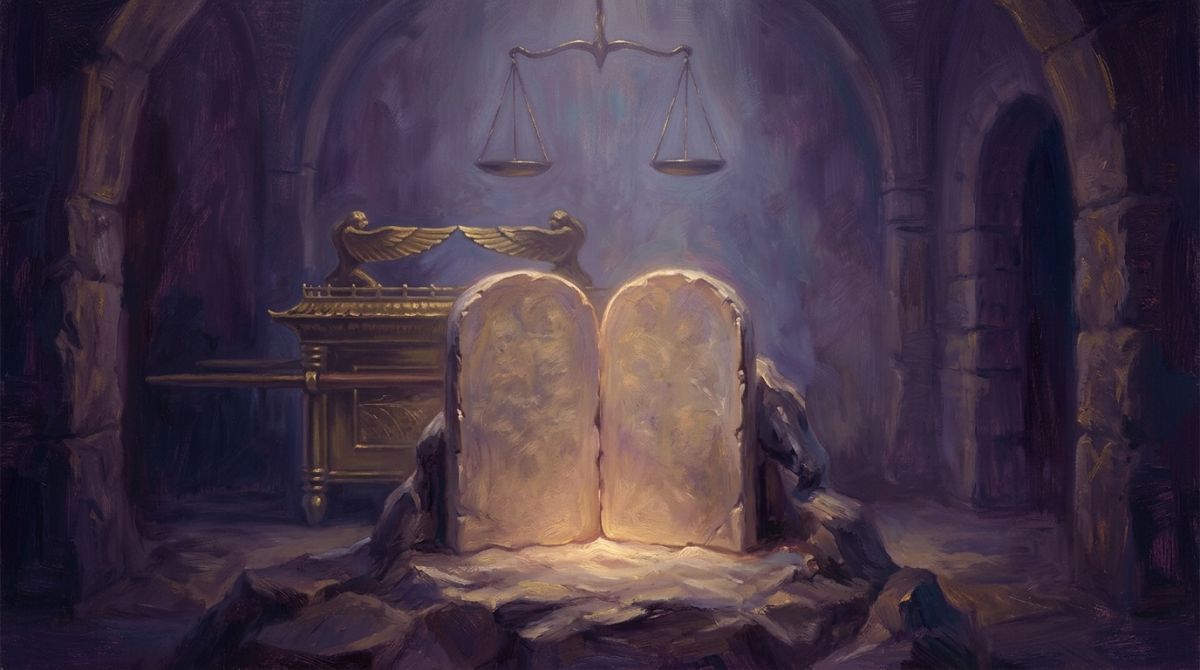
Welcome, friends, to our continued study on God's dwelling place and the profound truths revealed through the sanctuary message! In our previous lessons, we've explored the earthly sanctuary, its services, and the heavenly sanctuary where Christ ministers on our behalf. Today, we turn our attention to a crucial aspect of the investigative judgment – the standard by which all humanity will be reviewed: God's holy and unchanging law. Understanding this standard is essential to grasping the righteousness of God's final review and our ultimate hope in Christ.
The Law of Liberty: Our Standard in Judgment
When we think about judgment, we often wonder what criteria God will use. The Bible is clear that there is a definitive standard, a "law of liberty," that will be applied to every soul. It’s not an arbitrary rule, but a reflection of God’s perfect character and His will for humanity.
So speak ye, and so do, as they that shall be judged by the law of liberty.
James 2:12
What is this "law of liberty"? It is God's divine law, which, when embraced in faith, frees us from the bondage of sin and leads us into a life of obedience and true freedom. The judgment isn't about condemning us for breaking rules, but about evaluating our relationship with God and His perfect standard of righteousness. It reveals whether we have chosen to align our lives with His will, empowered by His grace.
The Apostle Paul further elaborates on how this law applies to all people, whether they have had direct access to the written law or not:
For as many as have sinned without law shall also perish without law: and as many as have sinned in the law shall be judged by the law; (For not the hearers of the law are just before God, but the doers of the law shall be justified.
Romans 2:12-13
This passage teaches us that God’s judgment is fair. Those who have never heard the written law will be judged by the light of conscience and the moral principles God has placed within every human heart. But for those who have received the written law, like the Ten Commandments, this law serves as the explicit standard. It’s not just about knowing the law, but about living by it, empowered by God's Spirit.
The Perfection and Permanence of God's Law
God's law is not like human laws, which can be flawed, changed, or abolished. It is perfect, eternal, and reflects the very character of our Creator.
The law of the Lord is perfect, converting the soul: the testimony of the Lord is sure, making wise the simple. The statutes of the Lord are right, rejoicing the heart: the commandment of the Lord is pure, enlightening the eyes.
Psalm 19:7-8
The law is a divine mirror, reflecting God's holiness and revealing our need for a Savior. It's designed to bring us into a right relationship with Him and with one another. Jesus Himself affirmed the enduring nature of this law:
Think not that I am come to destroy the law, or the prophets: I am not come to destroy, but to fulfil. For verily I say unto you, Till heaven and earth pass, one jot or one tittle shall in no wise pass from the law, till all be fulfilled.
Matthew 5:17-18
Jesus did not come to abolish the law, but to demonstrate its perfect obedience in human flesh and to empower us to live by its principles through His grace. His life was a living example of perfect obedience to God's holy standard. The law is not a burden, but a blessing, a guide for a life of joy and peace.
Wherefore the law is holy, and the commandment holy, and just, and good.
Romans 7:12
The law is a beautiful expression of God's love and His desire for our well-being. It is holy, reflecting His divine nature; just, ensuring fairness and equity; and good, promoting true happiness and harmony.
The Law Reveals Sin and Points to Christ
While the law is the standard for judgment, it also serves a vital purpose in our experience: it reveals our sin and points us to our need for a Savior.
Therefore by the deeds of the law there shall no flesh be justified in his sight: for by the law is the knowledge of sin.
Romans 3:20
We cannot earn salvation by perfectly keeping the law, because we are all sinners. The law acts as a spiritual thermometer, showing us how far short we fall of God's perfect standard. It defines what sin is:
Whosoever committeth sin transgresseth also the law: for sin is the transgression of the law.
1 John 3:4
Without the law, we wouldn't truly understand what sin is. It's the law that convicts us and drives us to seek God's mercy and forgiveness through Jesus Christ. The law, therefore, serves as a "schoolmaster" to bring us to Christ.
For what the law could not do, in that it was weak through the flesh, God sending his own Son in the likeness of sinful flesh, and for sin, condemned sin in the flesh: That the righteousness of the law might be fulfilled in us, who walk not after the flesh, but after the Spirit.
Romans 8:3-4
Through Christ's sacrifice, we are not only forgiven for our past transgressions, but we are also given the power to live in harmony with God's law. Grace does not abolish the law; rather, it empowers us to obey it. We are not "under the law" in the sense of earning salvation through our works, but "under grace," which enables us to live a life that reflects God's righteousness.
For sin shall not have dominion over you: for ye are not under the law, but under grace.
Romans 6:14
Being under grace means that the power of sin has been broken, and we are now enabled by the Holy Spirit to live according to God's will. This is the beautiful promise of the new covenant: God writes His laws on our hearts and minds, empowering us to live lives of obedience out of love for Him.
The Law in the Final Judgment
In the context of the investigative judgment, God's law serves as the unchanging standard against which every life is measured. It's not about legalism, but about a loving relationship that expresses itself in obedience. Those who are found faithful will be those who, by God's grace, have allowed His law to be written on their hearts and reflected in their lives.
Here is the patience of the saints: here are they that keep the commandments of God, and the faith of Jesus.
Revelation 14:12
This verse, found in the context of the final judgment messages, beautifully summarizes the character of God's faithful people: they are marked by their steadfast obedience to God's commandments, stemming from their unwavering faith in Jesus. It's through Christ that we gain both the desire and the power to live in harmony with God's perfect law.
Conclusion
God's law is far more than a set of rules; it is a revelation of His character, a guide to true happiness, and the righteous standard by which all humanity will be judged. It is holy, just, and good, revealing our sin and pointing us to the saving grace of Jesus Christ. Through faith in Him, we receive forgiveness for our past and the power to live a life of loving obedience to His perfect will. As we stand before the judgment, it is our relationship with Christ, evidenced by our acceptance of His law in our hearts, that will secure our eternal future.
Reflection Questions
- Read James 2:12 again. In what ways do you understand God's law to be a "law of liberty"? How does obedience bring freedom?
- Consider Romans 2:12-13. How does God's judgment account for those who have never heard the written law? What does this tell us about God's fairness?
- Review Psalm 19:7-8 and Romans 7:12. What characteristics of God's law are highlighted in these verses? How do these characteristics affect your view of the law?
- According to Romans 3:20 and 1 John 3:4, what is the primary role of the law in our understanding of sin?
- How does Romans 6:14 and Romans 8:3-4 explain the relationship between God's law and His grace? Does grace abolish the law, or empower us to keep it?
- What does Revelation 14:12 teach us about the distinguishing marks of God's people in the end time? How can you cultivate both "the commandments of God and the faith of Jesus" in your own life?