
Cleansing the Sanctuary
The Day of Atonement: A Day of Judgment • ~6 min read
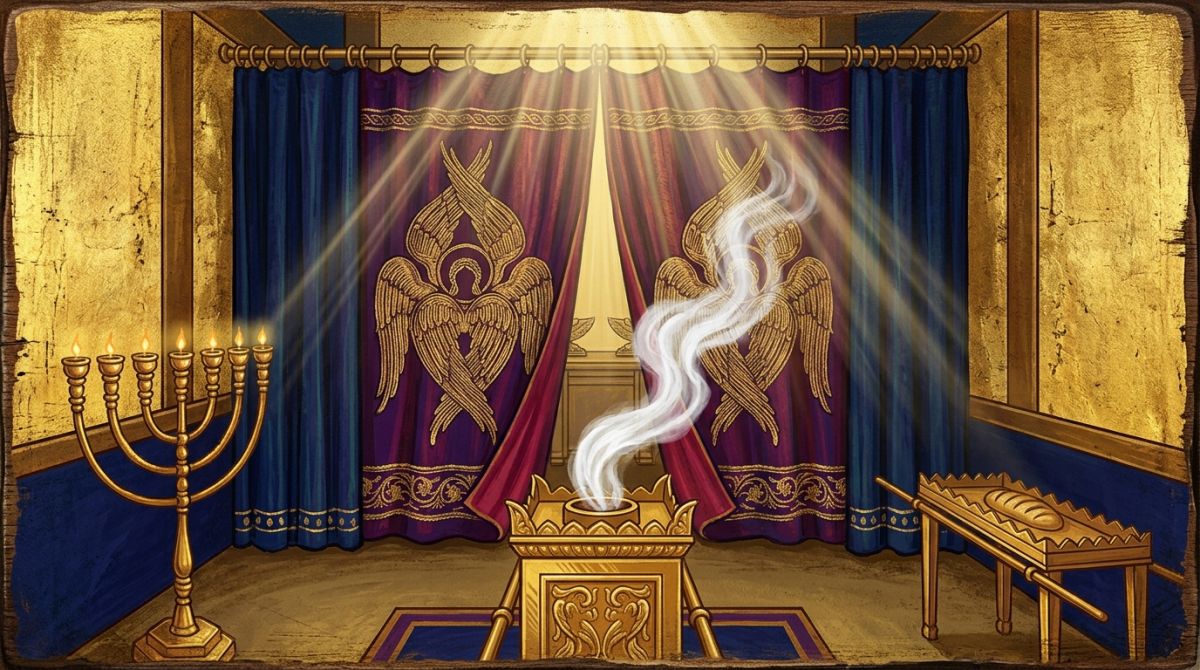
Welcome back, dear friends, as we continue our fascinating journey through the sanctuary message! In our previous studies, we've explored the daily services and the profound meaning behind the sacrifices. Today, we turn our attention to one of the most solemn and significant days in ancient Israel's calendar: the Day of Atonement. This day was not just about the cleansing of individuals, but about the cleansing of the sanctuary itself—a powerful symbol with deep implications for us today, pointing to a final purification and a day of judgment.
The Accumulated Record of Sin
Imagine a place where the sins of a nation were symbolically transferred day after day. As people brought their sacrifices for sin, confessing their transgressions, these sins were, in a ceremonial sense, transferred to the sanctuary. This meant the sanctuary, holy as it was, became defiled by the accumulated record of sin. Therefore, a special annual service was required to cleanse it. The Most Holy Place, where God's presence dwelt, was entered only once a year by the high priest on the Day of Atonement.
16And he shall make an atonement for the holy place, because of the uncleanness of the children of Israel, and because of their transgressions in all their sins: and so shall he do for the tabernacle of the congregation, that remaineth among them in the midst of their uncleanness.
Leviticus 16:16
Notice the specific wording: the high priest was to "make an atonement for the holy place." This wasn't just for the people, but for the sacred dwelling itself, which had been affected by the nation's "uncleanness" and "transgressions in all their sins." It was a solemn reminder that sin has far-reaching consequences, even touching the very place of God's presence among His people.
Cleansing and Removal
The cleansing of the sanctuary on the Day of Atonement involved a complex ritual, culminating in the removal of sin. After the high priest had completed the atonement for himself, his household, and the congregation, and had sprinkled the blood in both the Most Holy and Holy Places, the accumulated sins were symbolically placed upon a special goat—the scapegoat.
20And when he hath made an end of reconciling the holy place, and the tabernacle of the congregation, and the altar, he shall bring the live goat:
Leviticus 16:20-22
21And Aaron shall lay both his hands upon the head of the live goat, and confess over him all the iniquities of the children of Israel, and all their transgressions in all their sins, putting them upon the head of the goat, and shall send him away by the hand of a fit man into the wilderness:
22And the goat shall bear upon him all their iniquities unto a land not inhabited: and he shall let go the goat in the wilderness.
This powerful imagery illustrates not only the cleansing of the sanctuary from the record of sins but also the ultimate removal of those sins from the camp of Israel. The scapegoat carried away the confessed iniquities to a desolate place, symbolizing their complete separation from the people. This was a day of profound significance, when the entire nation was to be cleansed and made pure before God.
30For on that day shall the priest make an atonement for you, to cleanse you, that ye may be clean from all your sins before the LORD.
Leviticus 16:30
A Heavenly Cleansing
The earthly sanctuary, with all its services, was a "pattern of things in the heavens" (Hebrews 9:23). This means that the cleansing of the earthly sanctuary points to a greater, heavenly reality. Just as the earthly sanctuary needed cleansing, so too do the "heavenly things" require a purification, but with "better sacrifices."
23It was therefore necessary that the patterns of things in the heavens should be purified with these; but the heavenly things themselves with better sacrifices than these.
Hebrews 9:23-24
24For Christ is not entered into the holy places made with hands, which are the figures of the true; but into heaven itself, now to appear in the presence of God for us:
Our High Priest, Jesus Christ, entered "heaven itself" to minister on our behalf. His sacrifice was not of animals, but of Himself, a perfect and eternal sacrifice. The cleansing of the heavenly sanctuary, therefore, involves the final disposition of sin, based on Christ's atoning work. It's a profound process where the record of sin is ultimately removed, not just from a symbolic structure, but from the universe itself. This ultimate cleansing is what Christ accomplishes in the heavenly sanctuary.
26For then must he often have suffered since the foundation of the world: but now once in the end of the world hath he appeared to put away sin by the sacrifice of himself.
Hebrews 9:26
A Day of Judgment and Accountability
The Day of Atonement was also a day of solemn self-examination and judgment for every Israelite. It wasn't enough for the high priest to perform the rituals; each person had a responsibility to "afflict their souls." This meant a deep introspection, repentance, and a turning away from sin.
27Also on the tenth day of this seventh month there shall be a day of atonement: it shall be an holy convocation unto you; and ye shall afflict your souls, and offer an offering made by fire unto the LORD.
Leviticus 23:27, 29
29For whatsoever soul it be that shall not be afflicted in that same day, he shall be cut off from among his people.
The consequences for not participating in this affliction of soul were severe: being "cut off from among his people." This highlights the individual accountability associated with the Day of Atonement. It was a time when lives were reviewed, and a decision had to be made about one's relationship with God. This earthly day of judgment points forward to a final, universal judgment where every life will be reviewed in the heavenly courts, and the record of sin will be dealt with once and for all.
Conclusion
The cleansing of the sanctuary, both earthly and heavenly, is a powerful truth. It assures us that God is not content to merely forgive sin, but to ultimately eradicate it and its effects from His universe. The Day of Atonement, with its solemn rituals and call to individual reflection, symbolizes a final work of purification and judgment. It points to a time when the record of sin will be forever removed, and God's people will stand clean and pure before Him, through the perfect sacrifice and ministry of Jesus Christ.
Reflection Questions
- What does Leviticus 16:16 teach us about the pervasive nature of sin, even affecting the holy dwelling place of God?
- How does the ritual of the scapegoat (Leviticus 16:20-22) illustrate both the cleansing of the sanctuary and the ultimate removal of sin?
- According to Hebrews 9:23-24, what is the connection between the earthly sanctuary services and the ministry of Christ in the heavenly sanctuary?
- What does "better sacrifices" (Hebrews 9:23) refer to, and why are they necessary for the heavenly cleansing?
- The Day of Atonement required individuals to "afflict their souls" (Leviticus 23:27). What does this mean for us today in our personal walk with God?
- How does the concept of the cleansing of the sanctuary provide assurance of God's ultimate plan to deal with sin and restore purity to His creation?