
The High Priest: Yearly Atonement
The Priestly Ministry: Mediators for Humanity • ~7 min read
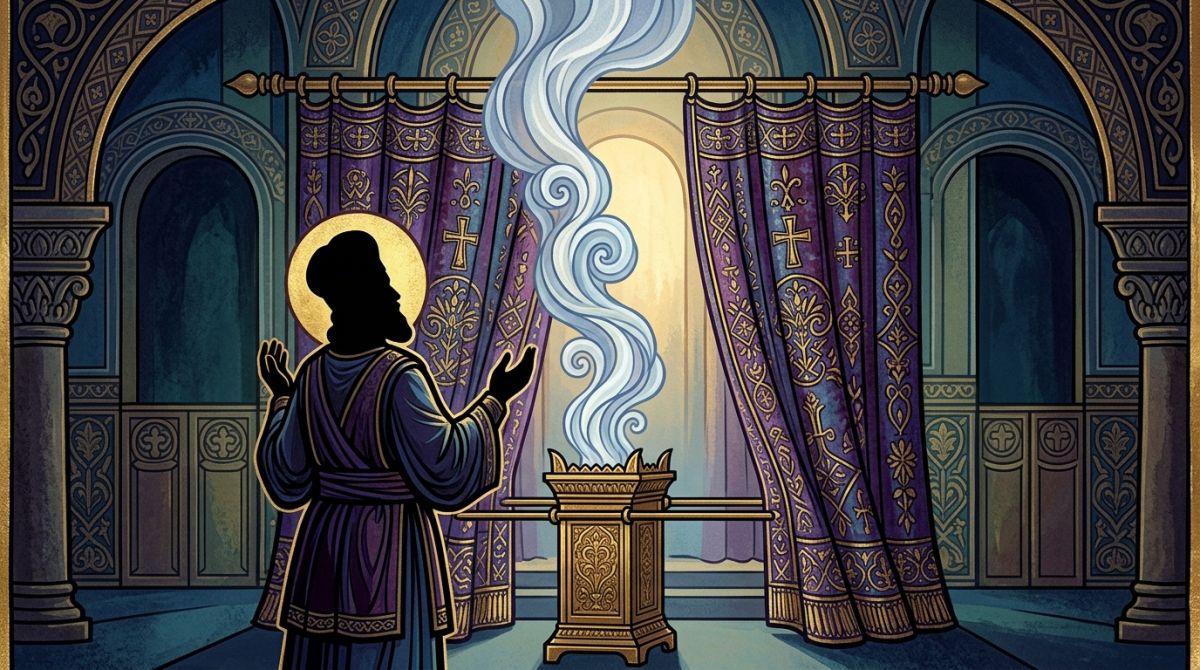
Welcome, dear friends, to another enriching session in our study of God's Dwelling Place! Last time, we explored the daily ministry in the holy place, a continuous service for the repentant sinner. Today, we turn our attention to an even more solemn and significant event in the ancient Israelite calendar: the Day of Atonement. This annual service, performed by the High Priest, was the climax of the earthly sanctuary's ministry, addressing the sins of the entire nation and cleansing the sanctuary itself. It's a profound peek into God's plan for dealing with sin, pointing us to a greater work yet to come.
The Day of Atonement: A Solemn Annual Event
The Day of Atonement, or Yom Kippur, was not a regular festival but a day of deep solemnity and introspection for all Israel. It was the one day of the year when the High Priest entered the Most Holy Place, the inner sanctuary where God's presence dwelt above the ark of the covenant. The instructions for this day are detailed in Leviticus chapter 16.
And this shall be a statute for ever unto you: that in the seventh month, on the tenth day of the month, ye shall afflict your souls, and do no work at all, whether it be one of your own country, or a stranger that sojourneth among you:
Leviticus 16:29-30
For on that day shall the priest make an atonement for you, to cleanse you, that ye may be clean from all your sins before the LORD.
Notice the emphasis: "ye shall afflict your souls." This wasn't a day for feasting or celebration, but for fasting, prayer, and deep self-examination. The purpose was clear: "to cleanse you, that ye may be clean from all your sins before the LORD." This annual cleansing was essential for maintaining the purity of the people and the sanctuary, demonstrating God's meticulous care in dealing with the problem of sin.
The High Priest's Unique Preparations
The High Priest's role on the Day of Atonement was unique and demanding. He could not enter the Most Holy Place casually. Special preparations and vestments were required to ensure the reverence and sanctity of the occasion.
Thus shall Aaron come into the holy place: with a young bullock for a sin offering, and a ram for a burnt offering.
Leviticus 16:3-5
He shall put on the holy linen coat, and he shall have the linen breeches upon his flesh, and shall be girded with a linen girdle, and with the linen mitre shall he be attired: these are holy garments; therefore shall he wash his flesh in water, and so put them on.
And he shall take of the congregation of the children of Israel two kids of the goats for a sin offering, and one ram for a burnt offering.
Before he could perform atonement for the nation, the High Priest first had to make atonement for himself and his household. This highlighted the fact that even the High Priest, despite his sacred office, was a sinful human being in need of God's cleansing grace.
And Aaron shall offer his bullock of the sin offering, which is for himself, and make an atonement for himself, and for his house.
Leviticus 16:11-13
And he shall take a censer full of burning coals of fire from off the altar before the LORD, and his hands full of sweet incense beaten small, and bring it within the vail:
And he shall put the incense upon the fire before the LORD, that the cloud of the incense may cover the mercy seat that is upon the testimony, that he die not.
The cloud of incense symbolized the prayers of the people ascending to God and also provided a protective covering, allowing the High Priest to approach the divine presence without being consumed. Only after atoning for himself could he proceed with the atonement for the people.
The Two Goats: Atonement for the People's Sins
A central and highly symbolic part of the Day of Atonement involved two goats, chosen from the congregation. These two animals represented different aspects of God's plan for dealing with sin.
And he shall take the two goats, and present them before the LORD at the door of the tabernacle of the congregation.
Leviticus 16:7-10
And Aaron shall cast lots upon the two goats; one lot for the LORD, and the other lot for the scapegoat.
And Aaron shall bring the goat upon which the LORD'S lot fell, and offer him for a sin offering.
But the goat, on which the lot fell to be the scapegoat, shall be presented alive before the LORD, to make an atonement with him, and to let him go for a scapegoat into the wilderness.
The goat upon which "the LORD'S lot fell" was sacrificed as a sin offering. Its blood was carried by the High Priest into the Most Holy Place and sprinkled upon the mercy seat and before it, making atonement for the holy place, the tabernacle, and the altar, which had been defiled by the sins of the people throughout the year.
Then shall he kill the goat of the sin offering, that is for the people, and bring his blood within the vail, and do with that blood as he did with the blood of the bullock, and sprinkle it upon the mercy seat, and before the mercy seat:
Leviticus 16:15-16
And he shall make an atonement for the holy place, because of the uncleanness of the children of Israel, and because of their transgressions in all their sins: and so shall he do for the tabernacle of the congregation, that remaineth among them in the midst of their uncleanness.
The Scapegoat: Bearing Away Sin
After the blood of the Lord's goat had made atonement, the High Priest turned his attention to the second goat, the "scapegoat" (often understood as "goat of removal" or "Azazel"). This goat was not sacrificed, but played a crucial symbolic role in the final removal of sin.
And when he hath made an end of reconciling the holy place, and the tabernacle of the congregation, and the altar, he shall bring the live goat:
Leviticus 16:20-22
And Aaron shall lay both his hands upon the head of the live goat, and confess over him all the iniquities of the children of Israel, and all their transgressions in all their sins, putting them upon the head of the goat, and shall send him away by the hand of a fit man into the wilderness:
And the goat shall bear upon him all their iniquities unto a land not inhabited: and he shall let go the goat in the wilderness.
This act vividly portrayed the complete removal of the confessed sins from the people. The scapegoat, carrying the burden of Israel's transgressions, was led far away into the wilderness, symbolizing that the sins were utterly taken away and remembered no more.
A Yearly Atonement: Pointing to a Greater Reality
It's important to remember that this elaborate service was an *annual* event. Each year, the Day of Atonement had to be repeated, because the blood of animals could not ultimately take away sin.
And this shall be an everlasting statute unto you, to make an atonement for the children of Israel for all their sins once a year.
Leviticus 16:34
The repetition of the service highlighted its temporary nature and its role as a shadow, pointing forward to a more perfect, once-for-all atonement. The book of Hebrews makes this clear when discussing the limitations of the earthly high priest and his ministry:
But into the second went the high priest alone once every year, not without blood, which he offered for himself, and for the errors of the people:
Hebrews 9:7
This verse confirms the annual nature of the earthly high priest's entry into the Most Holy Place. It underscores that the earthly system, while divinely ordained, was a type, a symbol, designed to teach profound truths about sin, sacrifice, and the ultimate work of atonement that would be accomplished by a greater High Priest.
The yearly atonement service was God's gracious provision for His people in the Old Testament, a powerful visual sermon illustrating the serious nature of sin, the necessity of a mediator, and the promise of complete cleansing. It served as a constant reminder that sin needed to be dealt with thoroughly and that God Himself had provided the way.
Reflection Questions:
- What does the command to "afflict your souls" on the Day of Atonement (Leviticus 16:29) tell us about the seriousness of sin and the attitude God desires from us when seeking forgiveness?
- Why was it necessary for the High Priest to make atonement for himself first before he could make atonement for the people (Leviticus 16:11-13)? What does this reveal about human nature?
- Consider the two goats: one sacrificed, and the other sent into the wilderness. What distinct aspects of dealing with sin do these two actions represent?
- The Day of Atonement was a yearly event (Leviticus 16:34, Hebrews 9:7). What does the repetition of this service imply about the effectiveness of animal sacrifices in permanently removing sin?
- How does understanding the High Priest's yearly ministry on the Day of Atonement deepen your appreciation for God's comprehensive plan of salvation?