
Daily Service: Forgiveness and Cleansing
The Priestly Ministry: Mediators for Humanity • ~6 min read
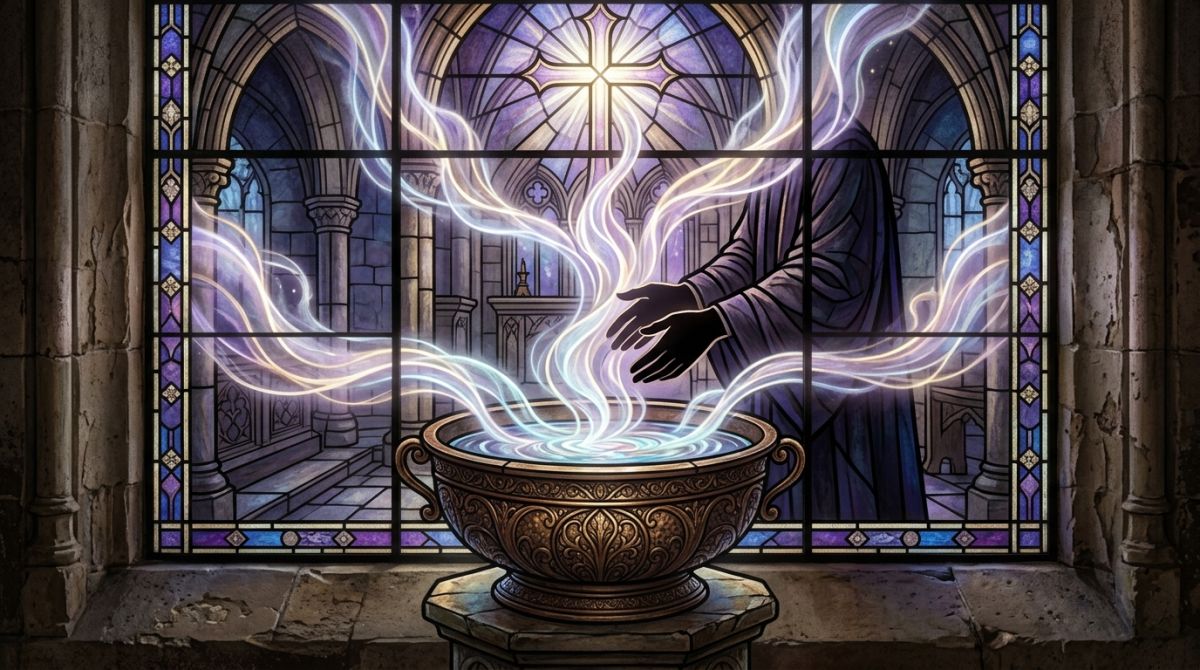
Welcome back, dear friends, as we continue our journey into the profound truths of God's dwelling place! Last time, we explored the structure and symbolism of the earthly sanctuary. Today, we're going to step into the daily life of that sacred space and understand the vital work performed there: the daily service of the priests for individual sins. This wasn't just ancient ritual; it was a powerful illustration of God's plan for dealing with sin and a beautiful foreshadowing of the ongoing ministry of our heavenly High Priest.
The Burden of Sin and the Need for Sacrifice
Imagine living in ancient Israel. A person would inevitably sin, perhaps unknowingly, or through weakness. God, in His infinite wisdom and mercy, provided a way for that sin to be addressed immediately. The system of sacrifices was designed to impress upon the sinner the seriousness of sin and the cost of forgiveness.
And if any one of the common people sin through ignorance, while he doeth somewhat against any of the commandments of the LORD concerning things which ought not to be done, and be guilty;
Leviticus 4:27-29
Or if his sin, which he hath sinned, come to his knowledge: then he shall bring his offering, a kid of the goats, a female without blemish, for his sin which he hath sinned.
And he shall lay his hand upon the head of the sin offering, and slay it in the place of the burnt offering.
This act of laying hands on the animal's head was crucial. It symbolized the transfer of sin from the repentant sinner to the innocent animal. The death of the animal represented the death penalty for sin, a penalty the sinner deserved but which was now borne by the substitute. This was a daily, personal experience for individuals who sought forgiveness.
The Priest's Role in Atonement and Forgiveness
Once the sacrifice was slain, the priest stepped in to complete the ritual. His actions were essential for making atonement and securing forgiveness. For individual sins of the common people, the priest would apply some of the blood to the horns of the altar of burnt offering in the courtyard.
And the priest shall take of the blood thereof with his finger, and put it upon the horns of the altar of burnt offering, and shall pour out all the blood thereof at the bottom of the altar.
Leviticus 4:30-31
And he shall take away all the fat thereof, as the fat of the sacrifice of peace offerings; and he shall burn them upon the altar for a sweet savour unto the LORD; and the priest shall make an atonement for him, and it shall be forgiven him.
The phrase "the priest shall make an atonement for him, and it shall be forgiven him" is repeated multiple times throughout Leviticus (e.g., Leviticus 4:20, 26, 31, 35). This shows the priest's indispensable role as a mediator between God and the sinner. For certain sin offerings, particularly those for the high priest or the whole congregation, the blood was brought into the Holy Place, before the veil of the sanctuary:
And the priest that is anointed shall take of the bullock's blood, and bring it to the tabernacle of the congregation:
Leviticus 4:5-7
And the priest shall dip his finger in the blood, and sprinkle of the blood seven times before the LORD, before the veil of the sanctuary.
And he shall put some of the blood upon the horns of the altar of sweet incense before the LORD, which is in the tabernacle of the congregation; and shall pour all the blood of the bullock at the bottom of the altar of the burnt offering, which is at the door of the tabernacle of the congregation.
These offerings, where the blood was brought into the tabernacle, carried a specific instruction:
And no sin offering, whereof any of the blood is brought into the tabernacle of the congregation to reconcile withal in the holy place, shall be eaten: it shall be burnt in the fire.
Leviticus 6:30
This verse highlights that for the most serious sins, the priest could not "bear" the sin by eating part of the offering (as was done for common people's sins, see Leviticus 10:17); instead, the entire offering was consumed by fire outside the camp, symbolizing a complete removal and consumption of the sin's effects. In all cases, the blood was central to the process, representing the life given for the life lost, and through its application, forgiveness was granted.
Temporary Cleansing: A Foreshadowing
It's crucial to understand that while these daily sacrifices provided genuine forgiveness and temporary cleansing, they could not ultimately remove sin. The repetition of the sacrifices itself testified to their limitations.
For the law having a shadow of good things to come, and not the very image of the things, can never with those sacrifices which they offered year by year continually make the comers thereunto perfect.
Hebrews 10:1-4
For then would they not have ceased to be offered? because that the worshippers once purged should have had no more conscience of sins.
But in those sacrifices there is a remembrance again made of sins every year.
For it is not possible that the blood of bulls and of goats should take away sins.
The daily service was a constant reminder of the presence of sin and the need for a perfect sacrifice. It pointed forward to a greater High Priest and a more effective atonement.
Our Great High Priest: The Perfect Sacrifice
The daily ministry in the earthly sanctuary beautifully foreshadowed the ultimate, once-for-all sacrifice and ongoing ministry of Jesus Christ. Unlike the earthly priests, who had to offer sacrifices repeatedly, Christ offered Himself.
Who needeth not daily, as those high priests, to offer up sacrifice, first for his own sins, and then for the people's: for this he did once, when he offered up himself.
Hebrews 7:27
Jesus, our High Priest, entered not into an earthly sanctuary made with hands, but into heaven itself, with His own blood, to appear in the presence of God for us.
For Christ is not entered into the holy places made with hands, which are the figures of the true; but into heaven itself, now to appear in the presence of God for us:
Hebrews 9:24
He is now ministering on our behalf in the true, heavenly sanctuary, providing perfect and permanent cleansing and forgiveness through His shed blood.
Now of the things which we have spoken this is the sum: We have such an high priest, who is set on the right hand of the throne of the Majesty in the heavens;
Hebrews 8:1-2
A minister of the sanctuary, and of the true tabernacle, which the Lord pitched, and not man.
The daily service of the earthly sanctuary, with its repeated sacrifices for individual sins and its temporary cleansing, served as a powerful object lesson. It taught God's people about the seriousness of sin, the necessity of atonement through blood, and the mediating role of a priest. More importantly, it continually directed their hearts and minds to the coming of the perfect Lamb of God and the ultimate High Priest who would accomplish eternal redemption.
Reflection Questions
- What does the daily, individual nature of the sin offerings teach us about God's concern for personal sin?
- How did the act of laying hands on the sacrifice and the priest's application of blood demonstrate the transfer of sin and the provision of forgiveness?
- Read Hebrews 10:1-4 again. What is the key difference between the effectiveness of the earthly sacrifices and Christ's sacrifice?
- Meditate on Hebrews 7:27. How does knowing that Jesus offered Himself "once" impact your understanding of His sacrifice and your salvation?
- How does understanding the daily service of the earthly sanctuary deepen your appreciation for Jesus' ongoing ministry as our High Priest in heaven?