
God's Character Vindicated
The Cleansing and Vindication • ~6 min read
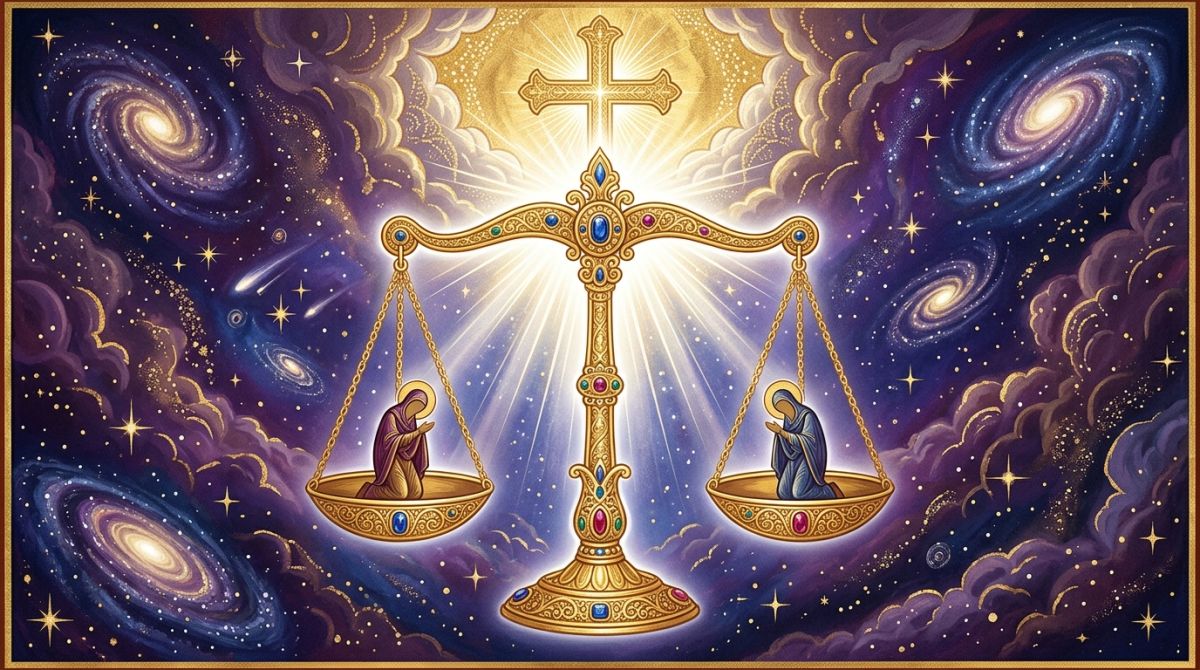
Welcome, dear friends, to another vital study in our series on God's Dwelling Place and the profound message of the Sanctuary. Today, we turn our attention to one of the most comforting and awe-inspiring aspects of the final judgment: the vindication of God's own character. Often, when we think of judgment, we focus on ourselves and our deeds. While that is certainly a part of it, the Bible reveals that the ultimate purpose of judgment is to demonstrate to the entire universe that God is perfectly just, unimaginably merciful, and utterly trustworthy. In a world full of questions about suffering and evil, this lesson reminds us that God's ways are always righteous and true.
The Accusations and the Need for Vindication
From the very beginning, God's character has been questioned. In the Garden of Eden, a subtle doubt was cast upon His motives and truthfulness (Genesis 3:1-5). Throughout history, accusations have been made against Him, suggesting He is arbitrary, unfair, or even cruel. The great controversy between good and evil is ultimately a battle over God's reputation. The judgment, therefore, is not merely about condemning the wicked or rewarding the righteous; it is about revealing God's true nature to all creation.
And I saw another angel fly in the midst of heaven, having the everlasting gospel to preach unto them that dwell on the earth, and to every nation, and kindred, and tongue, and people, Saying with a loud voice, Fear God, and give glory to him; for the hour of his judgment is come: and worship him that made heaven, and earth, and the sea, and the fountains of waters.
Revelation 14:6-7
This message of the judgment is part of the "everlasting gospel"—good news! It is good news because it assures us that God is not capricious. His actions are transparent, and His character will be seen as entirely just and loving. The universe needs to see that God has done everything possible to save humanity and that His decisions are always righteous.
God Is Both Just and the Justifier
One of the most profound truths about God's character, revealed through the plan of salvation and the judgment, is His ability to be both perfectly just and mercifully forgiving. How can a holy God forgive sinners without compromising His justice? The answer lies in the sacrifice of Jesus Christ, which the sanctuary service foreshadowed.
To declare, I say, at this time his righteousness: that he might be just, and the justifier of him which believeth in Jesus.
Romans 3:26
Consider this incredible truth: God is just. This means He cannot ignore sin; sin must be dealt with, and its penalty must be paid. Yet, He is also the justifier. Through Christ's atoning sacrifice, God provides a way for sinners to be declared righteous, not based on their own merit, but on the merits of Jesus, received by faith. In the judgment, this amazing balance is revealed. The records show that for those who believe in Jesus, their sins have been covered by His blood, and His righteousness has been imputed to them. This demonstrates that God's law is upheld, sin is condemned, and yet the repentant sinner is saved—all without compromising divine justice.
Acknowledging God's Righteousness
Even when we fall short, a deep part of our conscience testifies to God's righteousness. When David confessed his grievous sin, he recognized that God's judgment would be undeniably right.
Against thee, thee only, have I sinned, and done this evil in thy sight: that thou mightest be justified when thou speakest, and be clear when thou judgest.
Psalm 51:4
This verse reveals that even in our most profound failures, when we truly repent, we acknowledge God's perfect justice. We confess that He is right in His pronouncements and clear in His judgments. The judgment will not be a secret trial; it will be an open display, allowing all intelligent beings to see the truth. Those who are lost will have no excuse, and those who are saved will praise God for His infinite grace. The records will show that God's decisions are always fair and that every individual had ample opportunity to choose life.
For God sent not his Son into the world to condemn the world; but that the world through him might be saved.
John 3:17
God's primary desire is not condemnation but salvation. The judgment simply confirms who has accepted His gracious offer and who has not.
Mercy and Justice in Perfect Harmony
The vindication of God's character culminates in the universal understanding that His mercy is boundless, and His justice is perfect. He is a God of love, slow to anger, and abounding in steadfast love and faithfulness.
The LORD, The LORD God, merciful and gracious, longsuffering, and abundant in goodness and truth, Keeping mercy for thousands, forgiving iniquity and transgression and sin, and that will by no means clear the guilty; visiting the iniquity of the fathers upon the children, and upon the children's children, unto the third and to the fourth generation.
Exodus 34:6-7
Here, we see both aspects of God's character clearly stated: His incredible mercy and His unwavering justice. He forgives, but He also "will by no means clear the guilty" without justice being served. The cross of Christ is the ultimate demonstration of how these two attributes are reconciled. On the cross, mercy and truth met together; righteousness and peace kissed each other (Psalm 85:10). The judgment will reveal that God exhausted every resource of heaven to save humanity, even giving His only begotten Son (John 3:16).
When the books are opened (Daniel 7:10, Revelation 20:12), the universe will see that God's love extended to every soul, and His patient appeals were unending. They will witness that His judgments are true and righteous altogether (Revelation 16:7, 19:2). This revelation will silence every whisper of doubt and establish God's character as worthy of eternal trust and adoration.
Concluding Thoughts
The sanctuary message, with its focus on the judgment, ultimately leads us to a deeper appreciation of God's character. It assures us that God is not a cosmic tyrant but a loving Father who governs His universe with perfect justice and infinite mercy. The judgment is His vindication, a public demonstration that His ways are righteous, His law is holy, and His love is unfailing. When all is said and done, every knee will bow and every tongue will confess that God is just and true (Romans 14:11, Philippians 2:10-11).
Reflection Questions
- How does the concept of God being "just, and the justifier" (Romans 3:26) deepen your understanding of His character?
- What does Psalm 51:4 ("that thou mightest be justified when thou speakest, and be clear when thou judgest") tell us about our own conscience and God's righteousness?
- If the judgment reveals God's perfect justice and boundless mercy, how does this assurance impact your trust in Him, especially during times of personal difficulty or when you question His dealings with the world?
- In what ways can you reflect God's vindicated character of justice and mercy in your daily interactions with others?