
United in Prayer: The Power of Praying with Others
Prayer in Community: Praying Together • ~5 min read
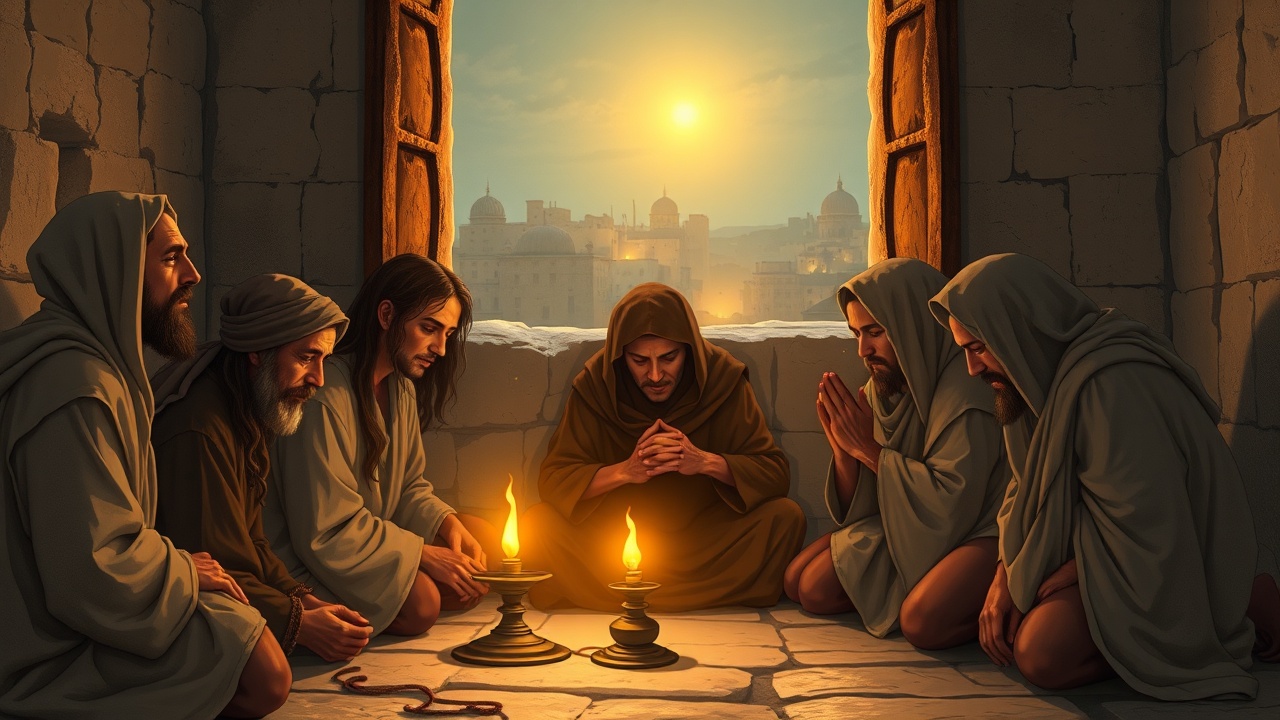
United in Prayer: The Power of Praying with Others
Introduction
Prayer is often understood as a deeply personal and private act — a quiet conversation between the soul and God. And while that solitary communion is precious and irreplaceable, Scripture reveals another dimension of prayer that is equally vital: the power of praying together with others. Throughout the Bible, from the earliest gatherings of God's people to the birth of the church, communal prayer has been a defining mark of those who belong to God. When believers unite their voices, hearts, and faith before the throne of grace, something extraordinary happens. In this lesson, we will explore what the Bible teaches about praying together, why it matters for our daily lives, and how we can cultivate a richer practice of corporate prayer.
Scripture Foundation: Where Two or Three Are Gathered
One of the most well-known promises Jesus made about communal prayer is found in the Gospel of Matthew:
"Again, truly I tell you that if two of you on earth agree about anything they ask for, it will be done for them by my Father in heaven. For where two or three gather in my name, there am I with them."
— Matthew 18:19–20 (NIV)
Jesus does not merely permit communal prayer — he promises his very presence within it. The Greek word translated "agree" here is symphōneō, from which we get the word "symphony." There is a musical image embedded in this promise: when believers pray together in harmony, their voices rise like a symphony before God. This is not a mechanical formula for getting what we want, but a picture of spiritual unity that reflects the very nature of God himself.
The Early Church: A Community Built on Prayer
The book of Acts shows us that corporate prayer was not optional for the first Christians — it was foundational to their life together. Even before Pentecost, the disciples were united in prayer:
"They all joined together constantly in prayer, along with the women and Mary the mother of Jesus, and with his brothers."
— Acts 1:14 (NIV)
And after the outpouring of the Holy Spirit, the early church continued in this same pattern:
"They devoted themselves to the apostles' teaching and to fellowship, to the breaking of bread and to prayer."
— Acts 2:42 (NIV)
Notice that prayer is listed alongside teaching, fellowship, and communion — the core pillars of the early Christian community. Prayer was not an add-on or an afterthought; it was woven into the very fabric of their shared life. When persecution arose and Peter was thrown into prison, the church's response was immediate and collective:
"So Peter was kept in prison, but the church was earnestly praying to God for him."
— Acts 12:5 (NIV)
The result? An angel was sent, chains fell off, and Peter walked free. The earnest, united prayer of the community moved the hand of God in a remarkable way.
Paul's Vision for a Praying Community
The Apostle Paul understood that believers are not isolated individuals but members of one body. His letters are filled with appeals for mutual, interceding prayer:
"And pray in the Spirit on all occasions with all kinds of prayers and requests. With this in mind, be alert and always keep on praying for all the Lord's people."
— Ephesians 6:18 (NIV)
"I urge, then, first of all, that petitions, prayers, intercession and thanksgiving be made for all people."
— 1 Timothy 2:1 (NIV)
Paul's vision is sweeping: prayers for all people, on all occasions, with all kinds of prayers. This kind of comprehensive intercession is most naturally lived out in community, where different members carry different burdens and different gifts of faith, and where one person's weakness in prayer is strengthened by another's confidence.
Why Praying Together Matters
Corporate prayer does several things that solitary prayer cannot do in the same way:
- It builds unity. When we pray together, we discover what we truly care about and what we hold in common. Shared prayer knits hearts together in ways that conversation alone cannot.
- It strengthens faith. Hearing how others pray — with boldness, with trust, with thanksgiving even in suffering — stretches and encourages our own faith. We learn to pray by praying with others.
- It bears one another's burdens. When we pray with someone who is grieving, fearful, or struggling, we are fulfilling the law of Christ (Galatians 6:2). Our presence and our words lift a weight they could not carry alone.
- It declares God's glory to the spiritual realm. Paul speaks of the church making known "the manifold wisdom of God" to "the rulers and authorities in the heavenly realms" (Ephesians 3:10). United prayer is a declaration of God's sovereignty over all things.
- It keeps us accountable and persistent. Jesus told his disciples to "always pray and not give up" (Luke 18:1). A community of prayer helps us persevere when our personal resolve falters.
Practical Application
This week, take one concrete step toward praying with others. You might reach out to a friend, family member, or fellow church member and ask if you can pray together — even for just five minutes over the phone or in person. Come prepared to share one thing on your heart and one thing you want to lift up for them. If you are already part of a small group or prayer partnership, consider adding a new dimension: try praying Scripture together, reading a passage aloud and then turning its words into your prayer. Let the practice of united prayer become as natural and regular as your personal devotional time, and watch how God uses it to deepen your faith, your relationships, and your connection to him in every moment of daily life.
Reflection Questions
- When have you experienced the power of praying together with others? What was it about that experience that felt different from praying alone?
- Jesus promises his presence "where two or three gather" in his name (Matthew 18:20). What does it mean practically to gather "in his name," and how does that shape the way we approach corporate prayer?
- The early church in Acts devoted themselves to prayer as a community discipline. What obstacles make it difficult for believers today to sustain this kind of communal prayer life, and how might those obstacles be overcome?
- Paul urges believers to pray "for all the Lord's people" (Ephesians 6:18). Is there someone in your church community or circle of relationships for whom you have not been praying? How can you begin interceding for them this week?
- How does praying with others build your faith and help you persevere in prayer when you feel spiritually dry or discouraged?