
Changed from the Inside Out: How Prayer Transforms Us
The Transforming Power of Prayer • ~6 min read
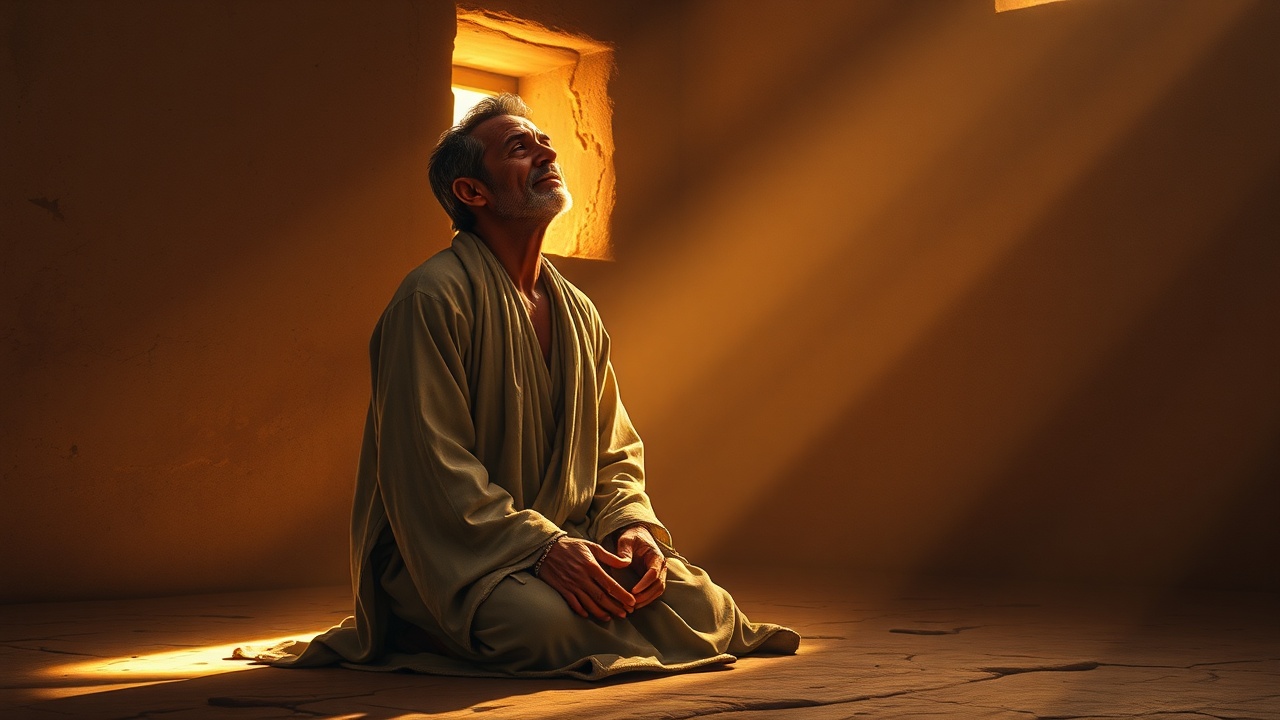
Changed from the Inside Out: How Prayer Transforms Us
Introduction
Most of us begin praying because we want something to change — a difficult circumstance, a broken relationship, a need we cannot meet on our own. But as we press deeper into a life of prayer, we discover something surprising: the greatest transformation that prayer produces is not in our circumstances, but in us. Prayer is not merely a spiritual vending machine where we insert requests and collect answers. It is a living conversation with the God who shapes us into the image of his Son. When we draw near to God consistently and honestly, we are changed from the inside out — in our desires, our character, our vision, and our very identity.
This lesson explores how prayer is one of God's primary instruments for transforming the human heart, and what it looks like to cooperate with that work in our daily lives.
Scripture Foundation: The God Who Transforms
The Apostle Paul captures the connection between spiritual renewal and our relationship with God in his letter to the Romans:
"Do not be conformed to this world, but be transformed by the renewal of your mind, that by testing you may discern what is the will of God, what is good and acceptable and perfect."
— Romans 12:2 (ESV)
The Greek word translated "transformed" here is metamorphoo — the same word used to describe Jesus' transfiguration. It is not a surface-level adjustment; it is a radical, inside-out renewal. And it begins in the mind — the very place where prayer engages us most deeply.
The Psalmist understood this connection between seeking God's face and being shaped by his presence:
"One thing have I asked of the LORD, that will I seek after: that I may dwell in the house of the LORD all the days of my life, to gaze upon the beauty of the LORD and to inquire in his temple."
— Psalm 27:4 (ESV)
Notice that David's singular pursuit is not an answer to a problem — it is the presence of God himself. When we make God's presence our primary aim in prayer, transformation becomes an inevitable fruit.
Teaching: Three Ways Prayer Transforms Us
1. Prayer Realigns Our Desires
We often come to prayer with a list of what we want. But sustained, honest prayer has a way of slowly reshaping what we want. As we spend time in God's presence, his values begin to seep into ours. The things that grieve him begin to grieve us. The things he loves, we find ourselves loving.
"Delight yourself in the LORD, and he will give you the desires of your heart."
— Psalm 37:4 (ESV)
This promise is often read as God granting our wishes, but the deeper meaning is that as we delight in God, he places his desires within our hearts. Prayer is the arena where that exchange happens. We bring our raw, sometimes selfish desires before God, and over time — through honesty, surrender, and listening — those desires are purified and redirected toward what is truly good.
2. Prayer Conforms Us to the Character of Christ
Paul tells the Corinthians something remarkable about what happens when we behold God:
"And we all, with unveiled face, beholding the glory of the Lord, are being transformed into the same image from one degree of glory to another. For this comes from the Lord who is the Spirit."
— 2 Corinthians 3:18 (ESV)
Beholding produces becoming. When we spend time in prayer — meditating on Scripture, worshiping, listening — we are gazing at the glory of God. And that gaze gradually conforms us to what we behold. This is why the content of our prayer life matters. If we rush through prayer with a checklist mentality, we miss the transforming encounter that comes from lingering in God's presence. The goal is not simply to inform God of our needs, but to encounter the living God and be changed by that encounter.
3. Prayer Produces Humility and Dependence
Nothing dismantles pride quite like honest prayer. When we come before a holy, all-knowing God and speak truthfully about our failures, fears, and needs, we are reminded of who we are and who he is. James connects humility directly to our posture before God:
"Humble yourselves before the Lord, and he will exalt you."
— James 4:10 (ESV)
Jesus modeled this perfectly. Even as the Son of God, he regularly withdrew to pray — in the wilderness, in the garden, on the mountainside. His prayer life was not a performance; it was the sustaining rhythm of his dependence on the Father. When we follow that pattern, we are shaped into people who trust God rather than ourselves, who wait on his timing rather than forcing our own, and who receive strength from him rather than relying solely on our own resources.
"But they who wait for the LORD shall renew their strength; they shall mount up with wings like eagles; they shall run and not be weary; they shall walk and not faint."
— Isaiah 40:31 (ESV)
The Struggle Is Part of the Transformation
It is worth acknowledging that transformation through prayer is rarely quick or comfortable. There are seasons of dryness, distraction, and doubt. Even the great figures of Scripture — Moses, Elijah, David, Paul — experienced moments when prayer felt like crying into the void. But the Scriptures consistently encourage us not to give up:
"And he told them a parable to the effect that they ought always to pray and not lose heart."
— Luke 18:1 (ESV)
Perseverance in prayer, even through difficulty, is itself an act of faith that shapes us. The very act of returning to God when we don't feel like it, when answers seem slow in coming, when our hearts feel cold — this is the training ground of a deep and resilient faith. Do not despise the dry seasons; they are often where the deepest roots grow.
Reflection Questions
- Think about a time when prayer changed you rather than your circumstances. What shifted in your heart, and how did that happen?
- What desires do you currently bring to prayer? How might God want to refine or redirect those desires over time?
- Romans 12:2 calls us to be "transformed by the renewal of your mind." In what specific ways do you think your mind needs renewal, and how might prayer be a tool for that?
- 2 Corinthians 3:18 says we are transformed by "beholding" God's glory. What practices in your prayer life help you genuinely behold God rather than simply recite requests?
- How do you respond when prayer feels dry or unanswered? What does your response reveal about what you believe about God and about prayer?
Practical Application
This week, choose one prayer session — even just ten minutes — where you set aside your request list entirely. Instead, begin by reading a passage that reveals God's character (such as Psalm 103, Isaiah 40, or John 17). Then spend time simply responding to what you've read: thanking God for who he is, confessing where you have not trusted him, and asking him to shape your heart to look more like his. At the end of the week, journal any shifts you notice — in your attitude, your responses to others, your peace, or your perspective. Transformation may be subtle at first, but it is real. God is faithful to complete the work he begins in those who seek him.
"And I am sure of this, that he who began a good work in you will bring it to completion at the day of Jesus Christ."
— Philippians 1:6 (ESV)